Meet the Team
Principal Investigator
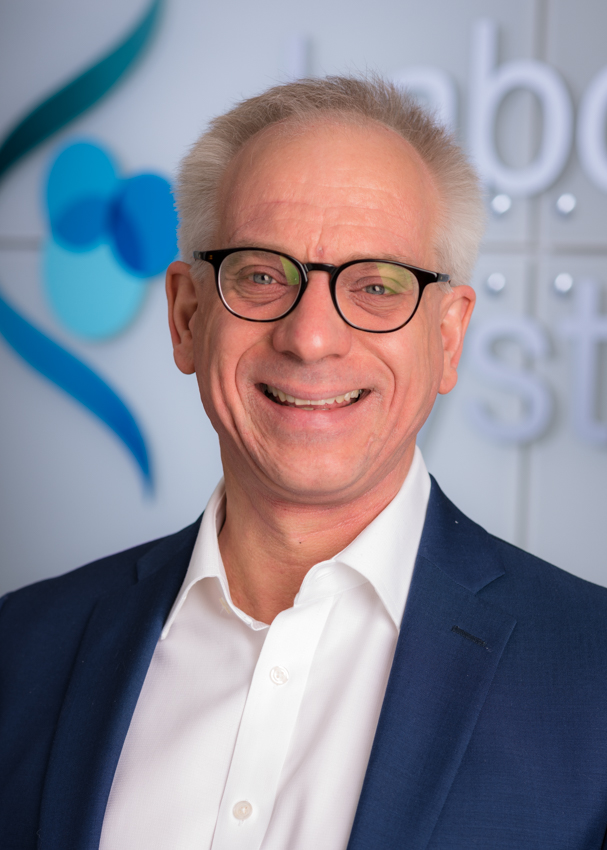
Dr. Mark W. Albers
Dr. Mark W. Albers is the Frank Wilkens Jr. and Family Endowed Scholar in Alzheimer's Disease Research and an Assistant Professor of Neurology at Harvard Medical School. His clinical practice at MGH specializes in memory and olfactory disorders. He also attends on the inpatient neurologic wards. He is a core faculty member of the Harvard Program in Therapeutic Science, the Laboratory of Systems Pharmacology, the Harvard-MIT Center for Regulatory Science, and the McCance Center for Brain Health. He is the Associate Director of the Massachusetts Center for Alzheimer's Therapeutic Science. He served as a member of the Translational Neuroscience subcommittee of the American Academy of Neurology. Outside of work, he enjoys running, swimming, water sports, culinary explorations, and music.
Collaborating Faculty
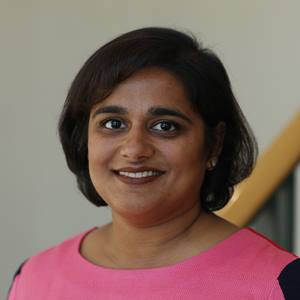
Dr. Alefiya D. Albers
Dr. Alefiya D. Albers is Professor in the Department of Psychology at Endicott College and is a visiting scientist within the Department of Neurology at Mass General. Her research interests include studies of human olfaction as a functional sensory biomarker of changes in brain health in the context of normal aging, acute injury, and incipient neurodegenerative disease. Outside of work, she enjoys cooking, art, and music.
Instructors
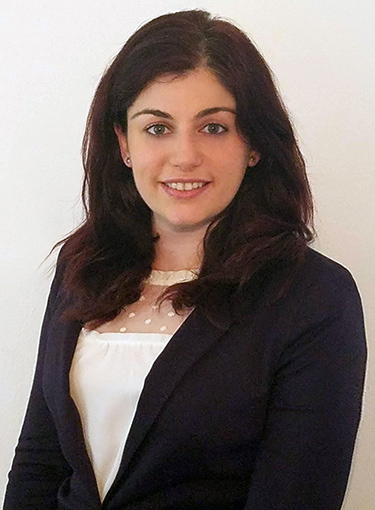
Dr. Marina Avetisyan
Dr. Marina Avetisyan received her Bachelor of Arts and Master of Science in Neuroscience from Johns Hopkins University and her MD/PhD in Neuroscience from Washington University in St. Louis. She then completed adult neurology residency at Mass General Brigham and a Research in Dementia Fellowship at Massachusetts General Hospital. She is currently an Instructor in Neurology at Mass General Brigham and Harvard Medical School. Her research interests focus on neuroimmune signaling in neurodegenerative diseases. Outside of the lab and clinic spaces, Dr. Avetisyan enjoys chill hiking, gardening and cooking.
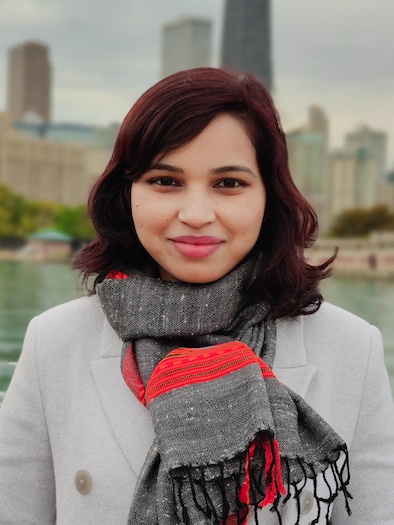
Dr. Priyanka Sinha
Dr. Priyanka Sinha earned her MS in Genetics before completing her PhD at IIT Kanpur, India, in 2021. Her doctoral research focused on the interplay between autophagy, neuroinflammation, and epilepsy in mouse models. Following her PhD, she investigated the role of GLT-1 in Alzheimer's disease during her first postdoctoral fellowship at MGH. Currently, Dr. Sinha is an Instructor in the Albers lab, where she is dedicated to identifying novel drug targets for ALS and advancing therapeutic options. Outside of the lab, Dr. Sinha enjoys reading books, cooking, and exploring nature with her daughter.
Postdoctoral Research Fellows
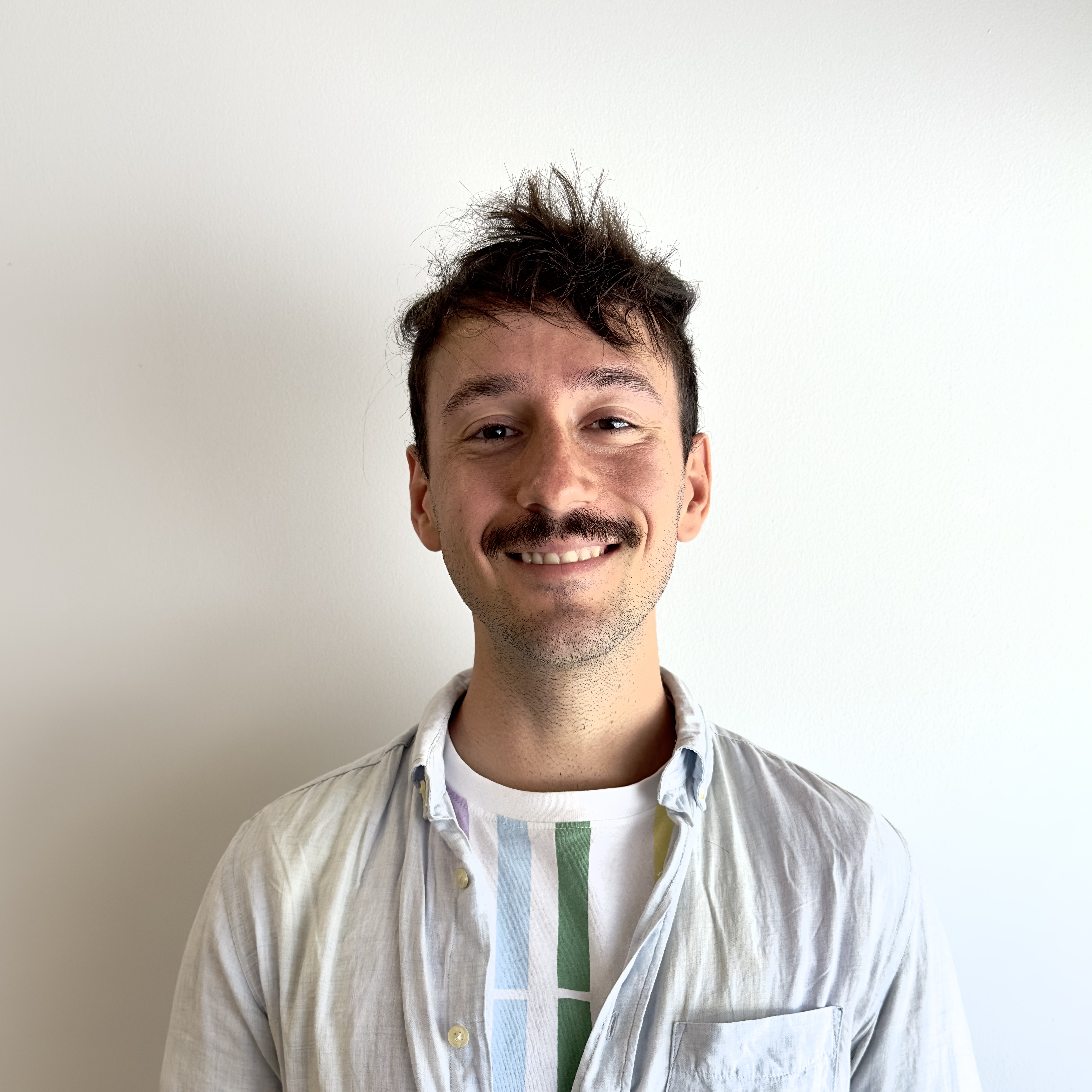
Benoît Jobin
Currently a research fellow in the Albers Lab, Benoît Jobin joined as a PhD candidate at the Université du Québec à Trois-Rivières in Canada. His research interests focus on cognitive and cerebral aging, and on the contribution of olfactory testing and neuroimaging to the early detection of neurodegenerative diseases. His work in the Albers lab is on tractography of the olfactory system within early Alzheimer's disease, a neuroimaging technique used to examine potential damage to white matter connections between different brain regions related to the sense of smell. After completing his clinical training in neuropsychology, Benoît plans to research the neuroimaging of different pathologies affecting the brain and olfaction. In his free time, Benoit enjoys playing ice hockey, cooking, and running.
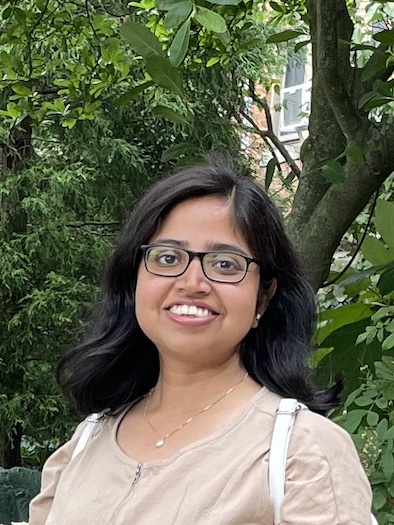
Dr. Sutapa Som Chaudhury
Dr. Som Chaudhury is a post-doctoral researcher at Dr. Albers’s group at the Mass General Hospital (MGH), Harvard Medical School. Before coming to MGH, she was a post-doctoral research fellow at Dr. Scherzer’s lab, at Brigham and Womens Hospital and a visiting fellow at the California Institute of Technology (Caltech), USA, respectively. She has experiences in advanced and cutting-edge technologies related to iPSC derived NGN2 cortical neurons including Parkinson’s disease and ALS. Dr. Som Chaudhury graduated with a PhD degree from the Indian Institute of Engineering Science and Technology (IIEST), Shibpur, India and her research was focused on drug development against Alzheimer’s disease. In Albers lab, she is pursuing her research on neuroinflammation and repurposing of the drugs for ALS and AD. Outside of research, Dr. Som Chaudhury is very passionate for singing, playing piano and enjoys cooking and reading books.
Sasha Mukhija
Dr. Sasha Mukhija, a Fulbright Postdoctoral Fellow at the Albers Lab and neurology resident at the University Hospital of Zurich, is driven by a passion for making meaningful contributions as a clinician-scientist in neurology. After earning her MD from the University of Basel in Switzerland, she broadened her expertise through studies and research at KU Leuven in Belgium and Oxford University in the UK. Her current research focuses on the impact of COVID-19 on Alzheimer’s disease and the study of biomarkers in neurodegenerative diseases. In her free time, she enjoys running, playing tennis, and dancing salsa to recharge, while also volunteering for a non-profit promoting brain health in senior communities.
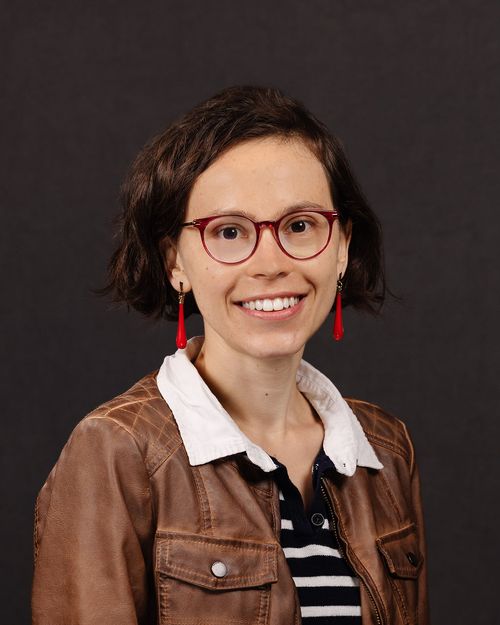
Marie-Laure Charpignon
Marie Charpignon is a postdoctoral research fellow in delivery science and clinical informatics at the Kaiser Permanente Northern California Division of Research. Her work integrates causal inference, statistical learning, and network science to evaluate how pharmaceutical interventions, social policies, and exogenous shocks affect health and behavior, particularly in aging and vulnerable populations. After working as a data scientist at Microsoft Education and completing her MSc at Stanford University, Marie earned her PhD from MIT, where she used electronic health record data to investigate the potential of repurposing antidiabetic and antihypertensive medications for Alzheimer’s disease. She now expands this approach through collaborations with Dr. Albers, emulating target trials for Alzheimer’s disease and related dementias using observational health record data from the US and Europe. Outside of research, Marie enjoys hiking, playing tennis, and cooking.
Collaborating Ph.D. Candidates
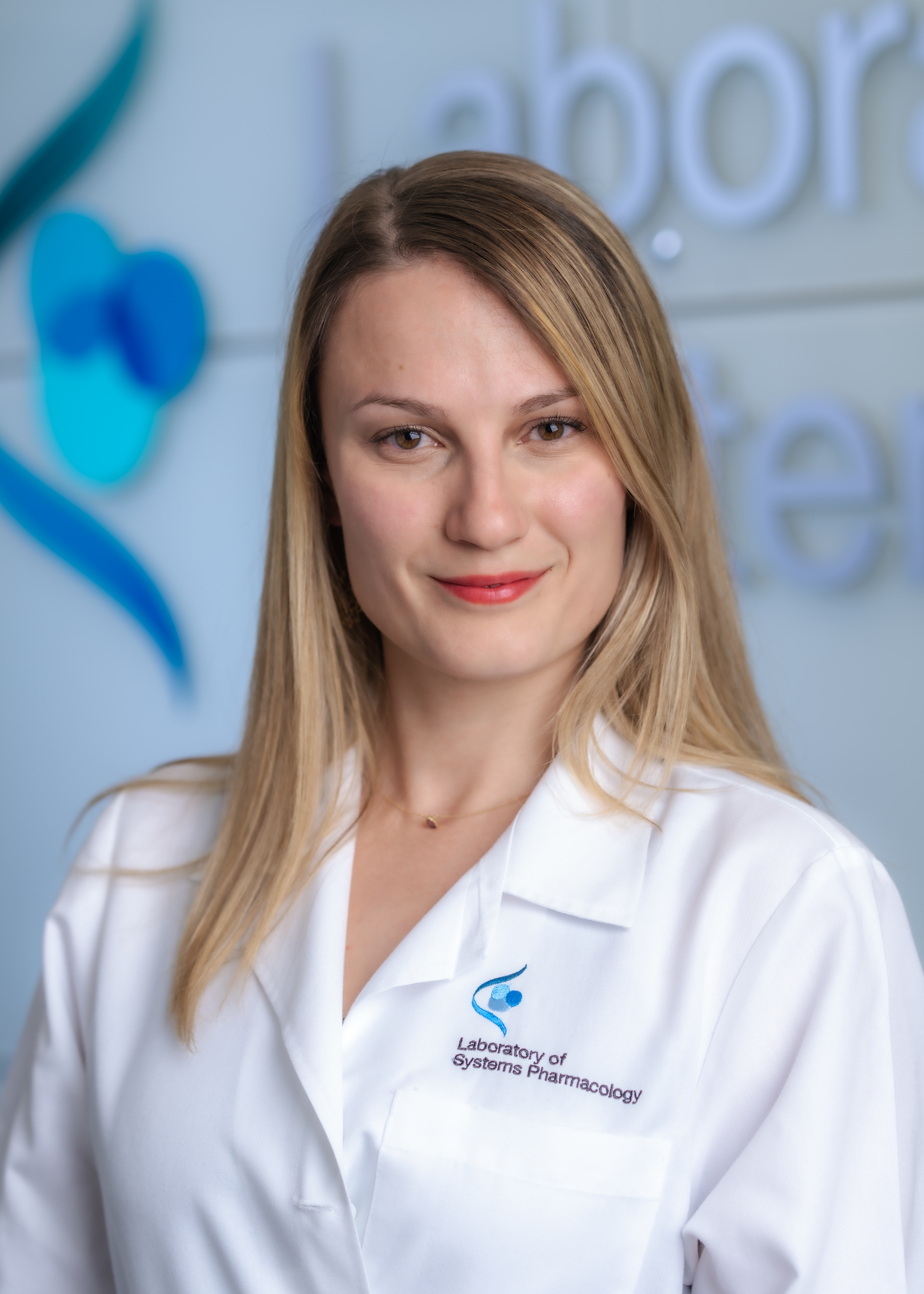
Laura König
Laura König is a Ph. D. candidate at Ludwig-Maximilians University in Munich, conducting translational research in the Laboratory of Systems Pharmacology at the Harvard Medical School. Within the Albers Lab, Laura works with neuronal cell-based models applying systems pharmacology. Laura received a bachelor's and master's degree in Pharmaceutical Sciences from the Ludwig-Maximilian's University in Munich. As a trained pharmacist, Laura is intrigued by drug mechanisms and therapeutic approaches to treat neurodegenerative diseases like Alzheimer's Disease and ALS, thus far incurable diseases. Laura is aspiring to understand the underpinnings of the toxic innate immune response triggered by endogenous dsRNA in neurons reported by our lab and translate my findings into treatments during her PhD. Outside of the lab, Laura enjoys reading and playing volleyball with friends.
Research Scientists
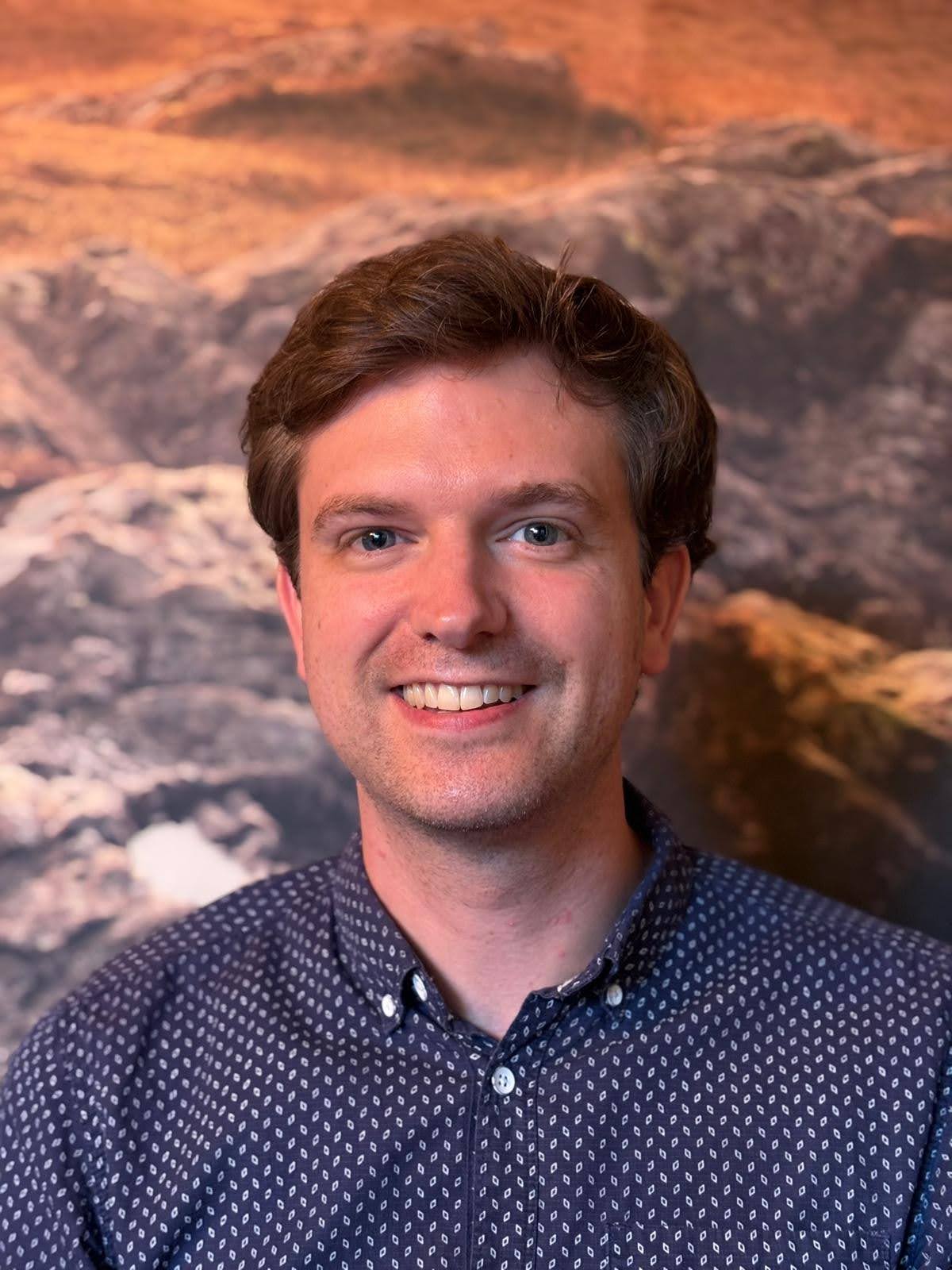
Ryan Hamnett
Ryan Hamnett is a Research Scientist with a background in neural circuitry spanning cellular, behavioral, and translational levels. Ryan completed his PhD at the University of Cambridge where he investigated how a small network of neurons in the hypothalamus orchestrates whole-organism circadian (24 hour) rhythms. That focus on intercellular signaling continued during his postdoctoral work at Stanford University, which examined how enteric neurons communicate to regulate digestion. As a member of the Albers lab, his interests include the propagation of prion-like proteins through neural circuits and strategies to prevent that spread in neurodegenerative diseases such as Alzheimer’s and ALS. Ryan also applies his training as a scientific communicator to written materials and scientific output in the Albers lab, drawing on experience with publications, grant proposals, outreach and educational content. Outside of research, Ryan enjoys creative writing, gaming, playing guitar, and traveling.
Data Scientists
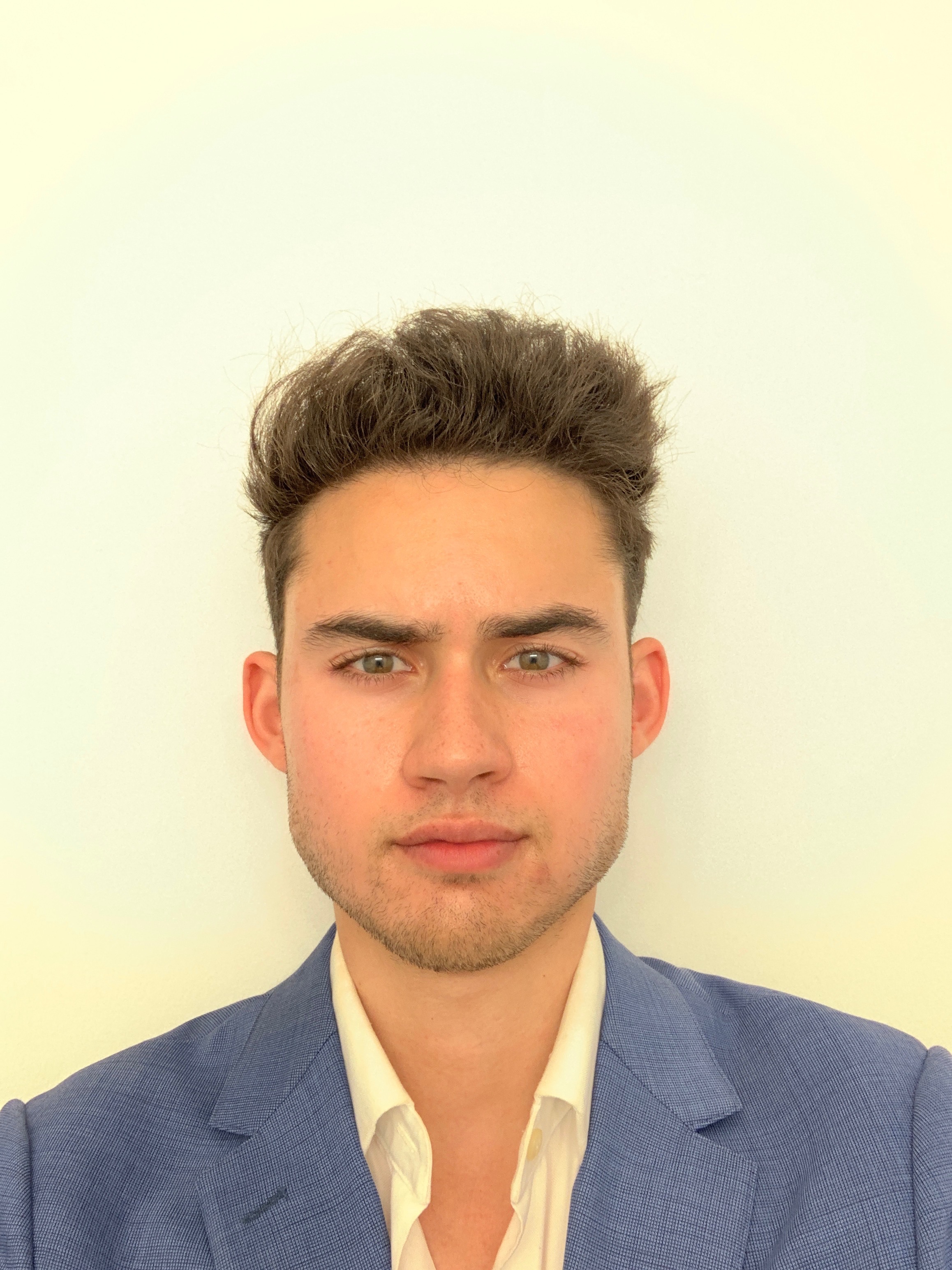
Colin Magdamo
Colin Magdamo is a data scientist currently working at Harvard Medical School. Colin studied economics and statistics at the University of Minnesota Twin Cities, where he became interested in the science and art of prediction. He enjoys working at the intersection of epidemiology, data analysis, and machine learning. In his free time, Colin enjoys writing, making music, playing soccer, and photography.
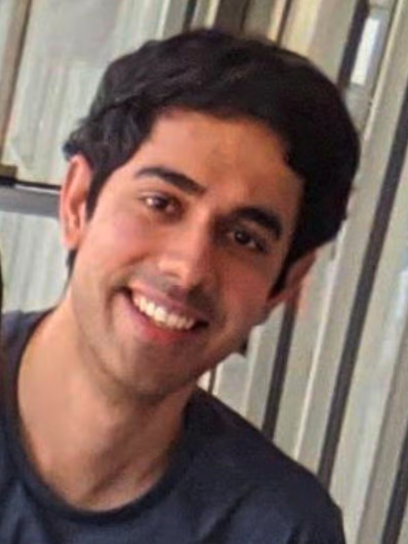
Rohan Bhukar
Rohan is an AI researcher and data scientist at MGB working at the intersection of machine learning, computational biology, and translational medicine. He builds domain‑specific foundation models and custom LLM pipelines to better understand neurodegenerative diseases such as ALS, Alzheimer’s, and FTD. His work focuses on making sense of complex, multi‑modal biological data and turning it into insights that can support precision medicine, in‑silico drug discovery, and therapeutic repurposing. Rohan is especially interested in bridging advanced bioinformatics with questions that matter in the clinic. Outside of research, Rohan recharges through running, exploring diverse culinary landscapes, and unwinding with scenic drives.
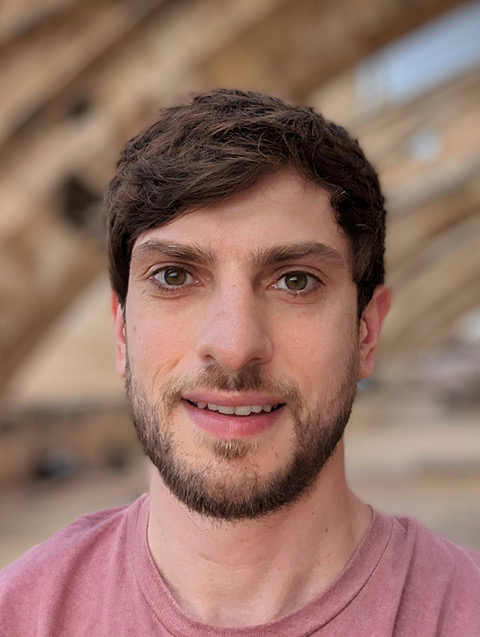
Dr. Clemens Hug
Dr. Clemens Hug is a research associate in Peter Sorger's lab at Harvard Medical School. During his PhD, Dr. Hug worked with Juanma Vaquerizas at the Max Plank Institute in Germany on what happens to 3D chromatin architecture during early embryo development when transcription activates for the first time after fertilization. He is experienced working with RNA-seq and ChIP-seq data, handles large compound libraries, trains machine learning models, and writes software for various research projects in the lab. At present, Dr. Hug's research focuses on understanding TDP-43 pathology and its implications for drug choice, working with Dr. Mark Albers in in Alzheimer's, immune infiltration during development of ovarian pre-cancer lesions, and the puzzling polypharmacology of kinase inhibitors. Away from the lab, Dr. Hug enjoys rock climbing in Rumney during the summer and playing lots of board games in the winter.
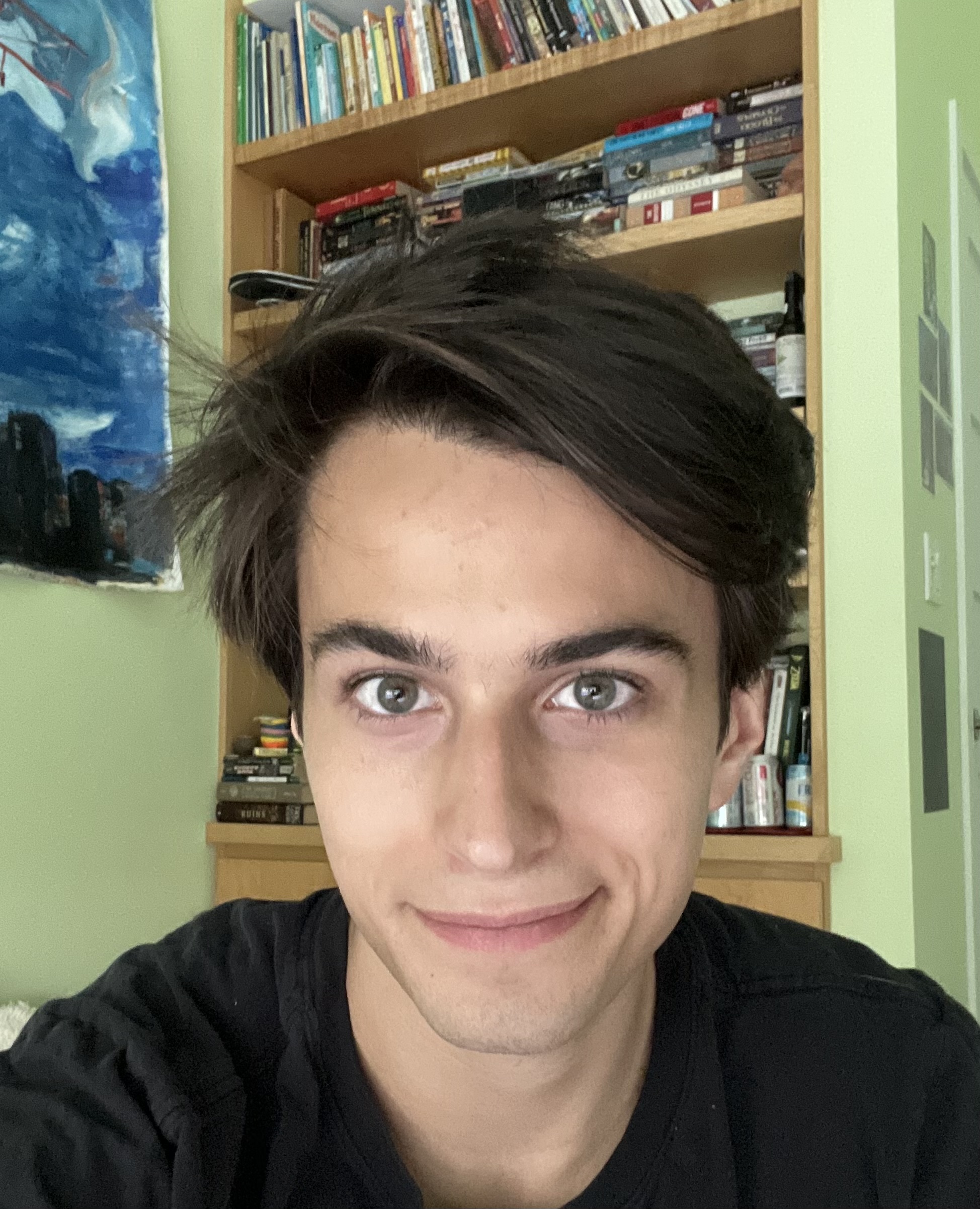
Max Sunog
Max Sunog is a researcher and data analyst at MGB. Max studied computer science and philosophy at the University of Chicago. Through his work and collaboration with colleagues at the lab, he has developed an interest in Neurology, and enjoys applying his computational skills towards advancements in neurodegenerative disease treatment and electronic health record research methodology. Outside of work, Max likes to spend time writing, running, and playing competitive strategy games.
Clinical Research Coordinators
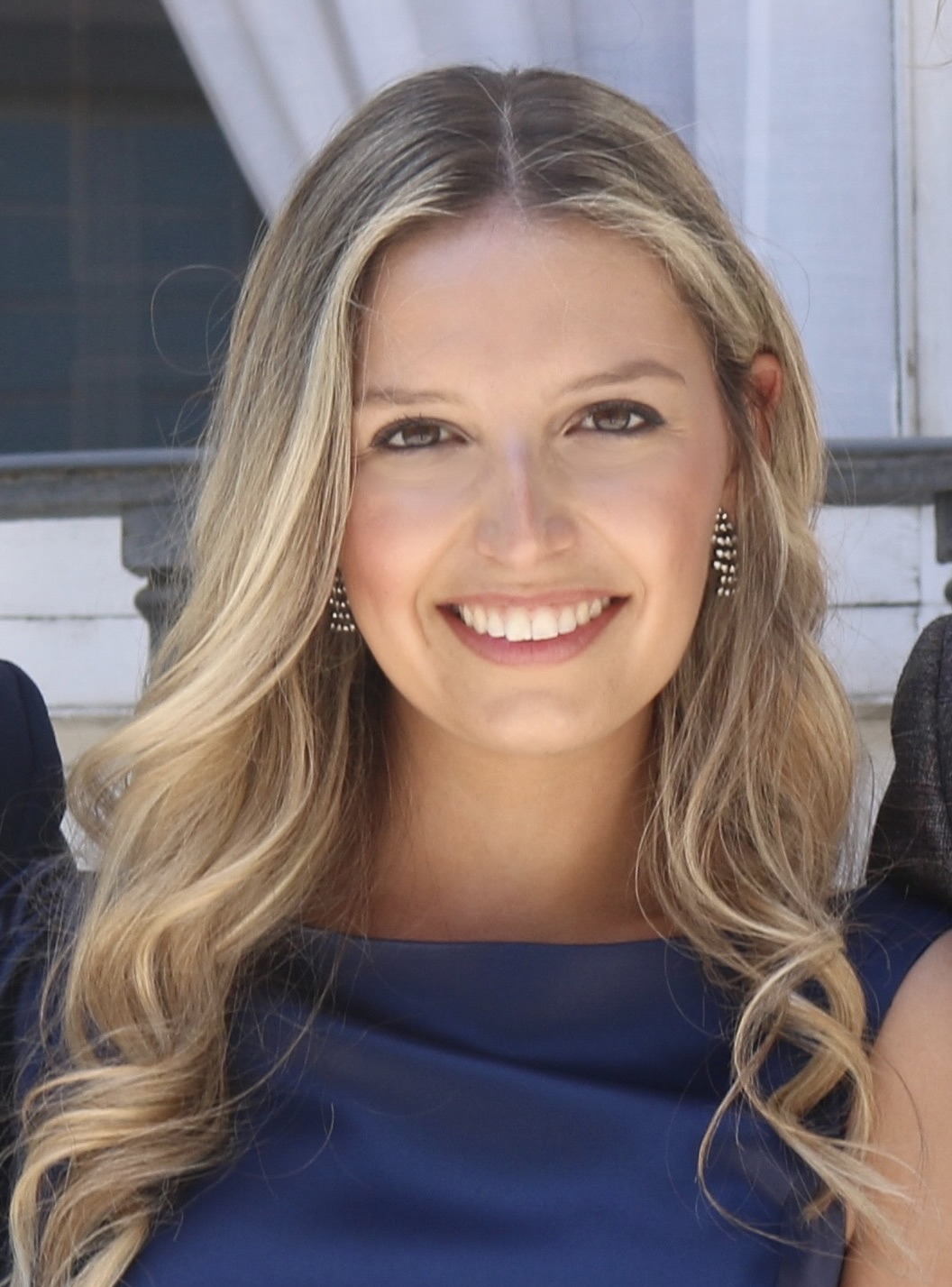
María Serrabella Hernandez
María is a Postdoctoral Research Fellow at Harvard Medical School and serves as the Clinical Research Coordinator (CRC) for research projects at the Albers Lab. She earned her Doctor of Medicine in Universidad Europea de Madrid and focuses her work on neurological research. Her background includes hands-on training in ENT procedures, among others, and a Surgical Observership at UPMC. Beyond her academic role, María has broad international volunteering experience in clinical settings across Cameroon and India. Outside of the lab, she enjoys horseback riding, art and reading. She is fluent in Spanish, English, and French.
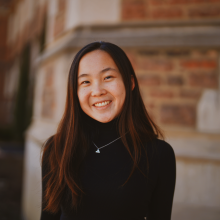
Renata Shen
Renata Shen is a Clinical Research Coordinator in the Albers lab. She earned a double-major in Biology and Economics with a minor in Religious Studies at Washington University in Saint Louis. Her prior work experience includes C-Suite advising as a strategy consultant at Capital One as well as bench and clinical research at WashU Medicine. Renata is especially interested in early detection of Parkinsons and LBD as well as expanding care access across diverse populations. Outside of work, she enjoys watercolor painting, running, and reading about classical/religious history.
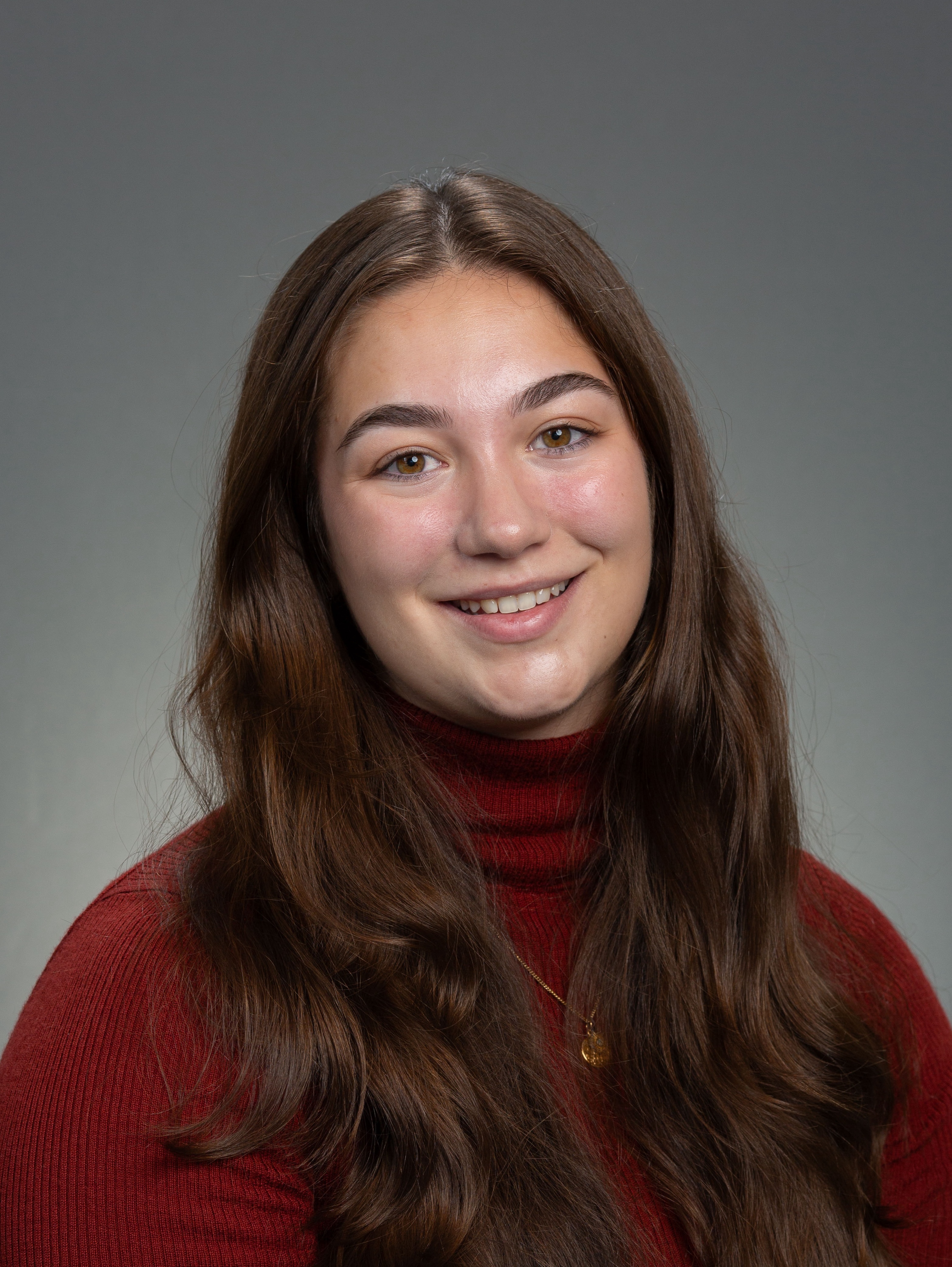
Catarina Bettencourt
Catarina Bettencourt is a Clinical Research Coordinator in the Albers Lab, completing her Master of Science in Biotechnology at Northeastern University (expected May 2026). She holds a Bachelor of Science in Biochemistry with a minor in Data Science, also from Northeastern. Catarina is deeply interested in studying host-microbiome interactions and their implications for neurological disease progression and treatment response. Outside of work, she enjoys spending time outdoors, reading, and dance, training across multiple street styles and staying active in the Boston community.
Project Coordinators
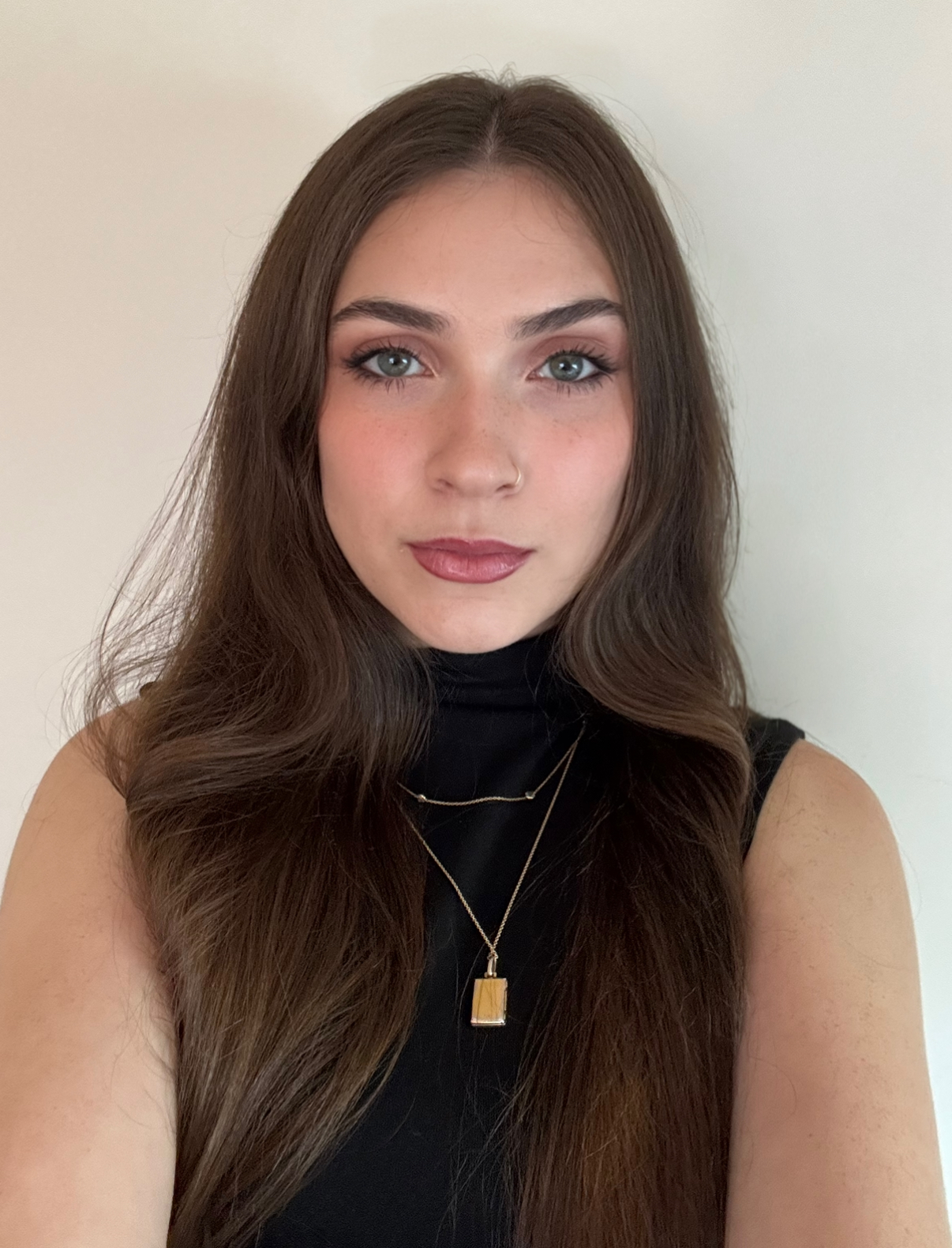
Kamila Levine
Kamila Levine is a Project Coordinator in the Albers Lab, supporting the planning and execution of research initiatives. She earned her B.S. in Business Administration from Drexel University. During her time at Drexel, she conducted independent research in the econometrics department, using R to apply statistical analysis to healthcare-related economic hypotheses. In her current role, Kamila drives the coordination of research initiatives by managing project timelines, aligning efforts across teams, and maintaining centralized documentation to track progress and priorities. She facilitates communication within the lab and across collaborating institutions, supports grant-related activities, and contributes to the lab’s external presence through presentations and visual materials. She is particularly interested in data visualization and strengthening collaboration between computational, clinical, and laboratory teams.
Research Technicians
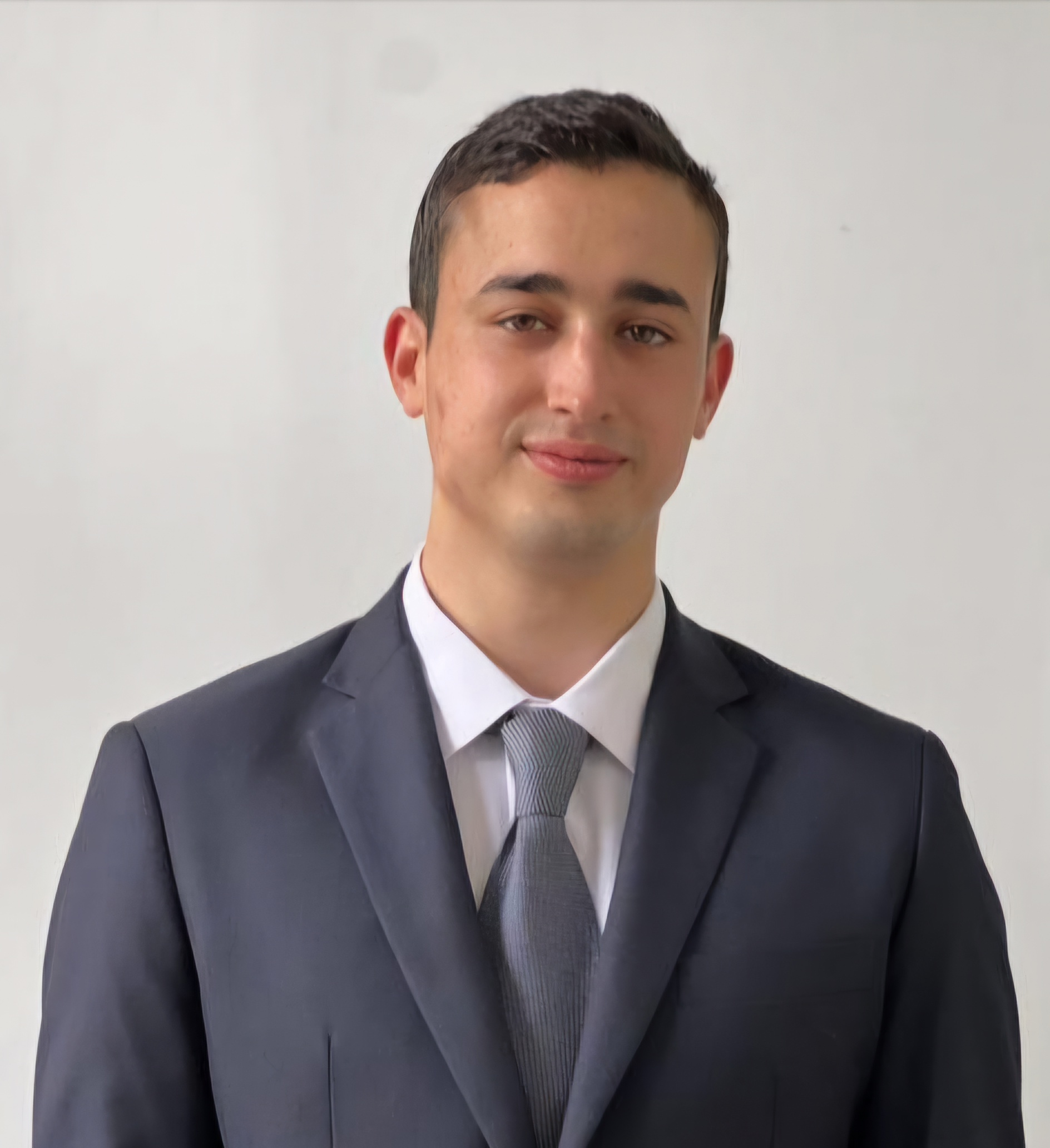
Omer Milstein
Omer Milstein is a research technician in the Albers Lab and a graduate of the University of Massachusetts Amherst, where he earned a B.S. in psychology and biochemistry. He is interested in how neuroimmune signaling contributes to neurodegenerative disease. In the Albers Lab, he helps to coordinate a pilot study on novel diagnostic approaches, develop mouse models of TDP-43 proteinopathy, and establish a drug-screening pipeline in immortalized neurons. In his free time, Omer enjoys surfing in the summer, snowboarding in the winter, and climbing year-round.
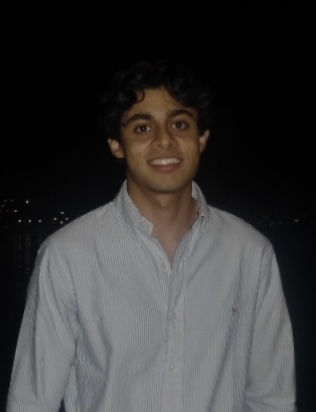
Inesh Parikh
Inesh Parikh is an undergraduate student at Northeastern University, currently working as a full-time co-op in the Albers lab. Inesh is majoring in Neuroscience with a minor in data science. He is interested in the molecular pathways of neurodegenerative diseases and dsRNA staining patterns in the brain. In his free time, Inesh enjoys working out, exploring Boston, dancing for his team Nakhraas, and supporting Boston sports.
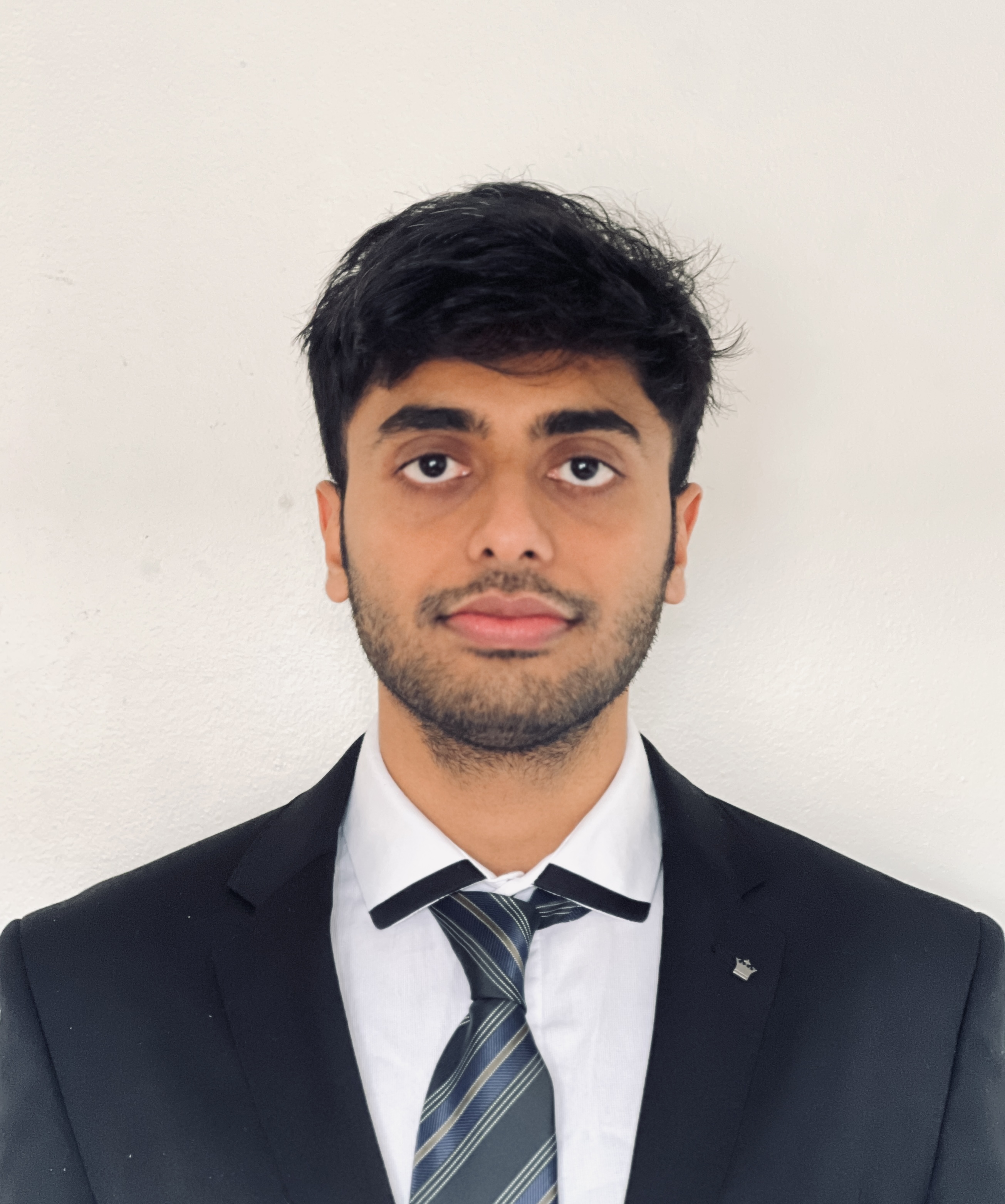
Sai Jawahar Sangu
Sai joined the Albers Lab as a research technician after graduating from Northeastern University with a Master of Science in Biotechnology. Sai is interested in understanding the mechanisms underlying diseases and identifying potential targets for therapeutic intervention. In his free time, Sai enjoys traveling and exploring new places.
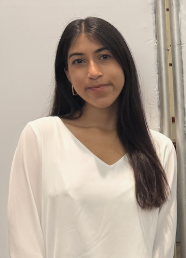
Meghna Katyal
Meghna Katyal is a research technician in the Albers Lab and a graduate of Duke University, where she earned a B.S. in Biology. She is interested in understanding the mechanisms underlying neurodegeneration and neuroinflammation. She is particularly motivated by studying proteinopathies in mouse models to identify potential therapeutic targets and ultimately inform clinical approaches to neurodegenerative disease. In her free time, Meghna enjoys baking, going on long walks, and exploring new places.
Alumni


Website Designed By
Alyssa DeFilippis
& Developed by
Megan Tormey